Dune Bashing for Beginners: Where to Go and How to Prepare in the UAE
A beginner’s guide to dune bashing in the UAE: when to go, tyre pressures, driving technique, safety rules, what to pack and beginner-friendly desert areas.

The best off-road areas within reach of Dubai, from Big Red and Fossil Rock to the red dunes near Lahbab, with difficulty levels, access rules and safety tips.
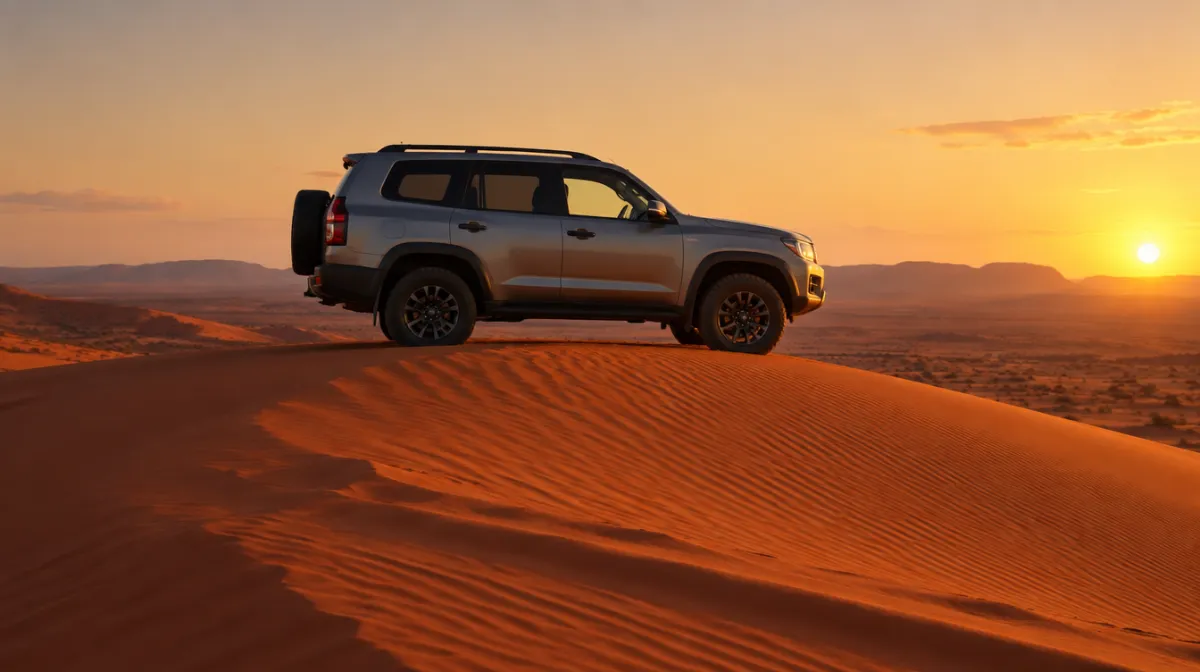
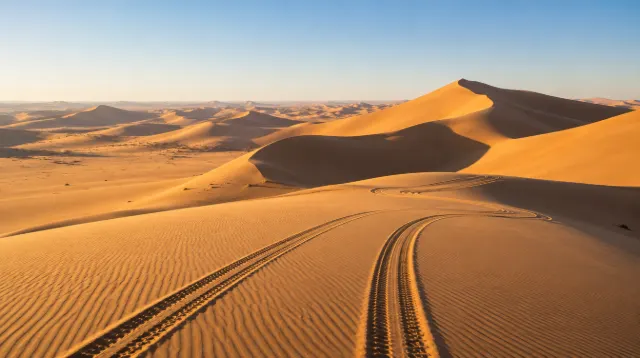
Dubai sits on the edge of some of the most accessible dune country in the world. Within an hour of the city you can go from gentle beginner slopes to towering red dunes. Here are the areas most local drivers start with, and what to know before you go. Access rules change, so check current signage and advice before every trip.
| Area | Emirate | Rough drive from Dubai | Best for |
|---|---|---|---|
| Big Red | Sharjah, on the Dubai–Hatta road | 45–60 minutes | Beginners at the base; experienced drivers on the main dune |
| Lahbab and nearby red dunes | Dubai | 45–60 minutes | Beginners and intermediates |
| Fossil Rock | Sharjah | About 1 hour | Intermediate drivers; scenery |
| Al Faya area | Sharjah | About 1 hour | Mixed gravel plains and dunes |
| Hatta area tracks | Dubai | About 1.5 hours | Mountain and wadi tracks, not dunes |
| Liwa | Abu Dhabi | 3.5–4 hours | Experienced drivers only |
The huge red dune beside the Dubai–Hatta road is many drivers’ introduction to the desert. The smaller dunes around the base are forgiving places to practise, while the main dune is steep, soft and busy with quad bikes and buggies at weekends. Keep your speed down near crowds, and never crest a dune blind.
The rolling red dunes south-east of the city are where many safari operators take guests, so the sand is well used and there’s often help nearby. That also means traffic: watch for convoys and other vehicles cresting the same dunes.
Named for the marine fossils found on its slopes, this rocky outcrop in Sharjah rises from bright red dunes. The approach includes some bigger dunes and bowls, so it suits drivers with a few trips behind them. The Mleiha area nearby is known for its archaeology.
The gravel plains and dunes around Al Faya offer variety, while the mountains around Hatta have rocky tracks and wadis rather than sand. Wadis bring their own risks, especially flash floods; read our wadi driving safety rules first.
The dunes of Liwa, on the edge of the Empty Quarter, are some of the largest in the region, and far more remote. Save them until you’re experienced. See our Liwa desert guide.
In an emergency, call 999 for police or 998 for an ambulance.
If you’d rather leave the driving to professionals the first time, UAE Travel Agency’s desert safari guide explains what licensed tours include.
Most popular areas don’t need a permit for private drivers, but protected reserves and some private land are off-limits. Rules change, so check current guidance from local authorities.
No. Soft sand needs a proper 4x4 with low range, suitable tyres and recovery points.
The smaller dunes around Big Red or the Lahbab area, with an experienced driver in your convoy.

Every article is edited by a human and checked against our editorial policy. Spotted a mistake? Tell us.
A beginner’s guide to dune bashing in the UAE: when to go, tyre pressures, driving technique, safety rules, what to pack and beginner-friendly desert areas.
A 4x4 driver’s guide to the Liwa desert: when to go, getting there, the scale of the dunes, fuel and supplies, convoy rules, camping and staying safe.
What to do when your 4x4 gets stuck in soft sand: stop spinning, lower tyre pressure, dig and use recovery boards, and how to do a snatch recovery safely.