Desert Recovery Gear: The Essential Checklist for UAE Off-Roading
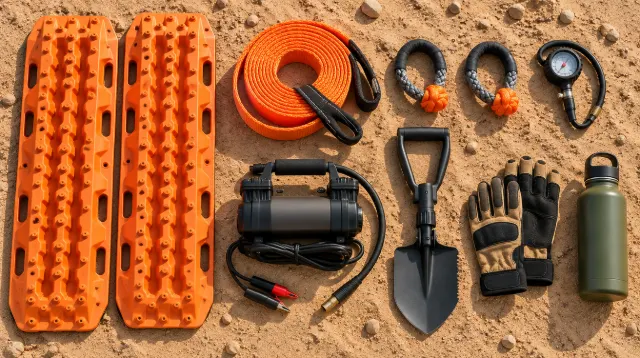
The recovery gear UAE off-roaders should carry, from deflators and a compressor to snatch straps, soft shackles and traction boards, and how to use it safely.

What to pack in a desert first-aid kit for UAE off-roading: wound care, burns, heat illness, sand in the eyes, bites and stings, and communication gear.
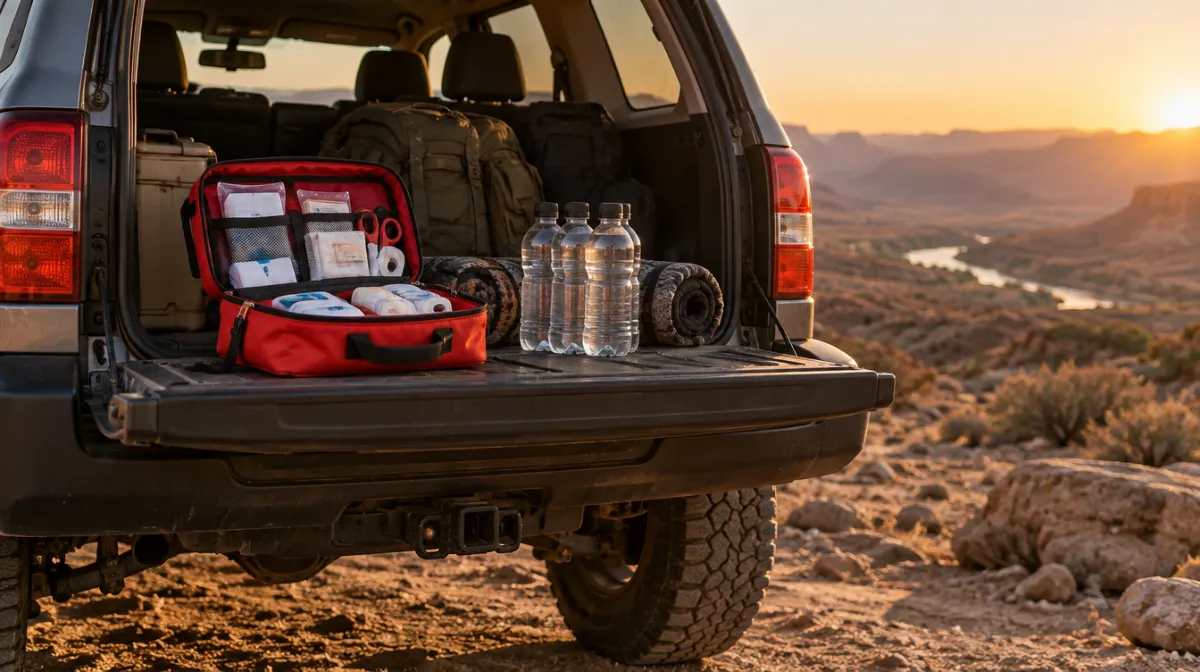
Desert trips are often hours from the nearest hospital, and mobile coverage can be patchy. A well-stocked first-aid kit, and someone who knows how to use it, lets your group handle minor injuries and stabilise serious ones until help arrives.
| Category | What to pack |
|---|---|
| Wounds | Adhesive plasters, sterile gauze, dressings, crepe and pressure bandages, tape, wound closure strips, antiseptic wipes |
| Bleeding | Large trauma dressings; a tourniquet if you’re trained to use one |
| Burns | Burn gel or dressings, clean cling film for covering burns |
| Heat | Oral rehydration salts, instant cold packs, a thermometer, a spray bottle |
| Eyes | Sterile saline eyewash, eye pads |
| Bites and stings | Antihistamine tablets, a crepe bandage, a marker to note the time |
| Medicines | Pain relief, antihistamines, personal medicines, spare inhalers or adrenaline auto-injectors if prescribed |
| Tools | Nitrile gloves, trauma shears, tweezers, safety pins, a CPR face shield, a splint, triangular bandages |
| Shelter | Emergency foil blankets, a shade tarp, hats, sunscreen |
| Communication | Charged phone, power bank, whistle, signal mirror, satellite messenger for remote areas |
Heat exhaustion causes heavy sweating, weakness, dizziness, headache and nausea. Move the person into shade, loosen clothing, give water or rehydration drinks and cool them with wet cloths and fanning.
Heatstroke is a medical emergency. Warning signs include confusion, slurred speech, hot skin, collapse or seizures. Call 998 or 999 immediately, move the person into shade and cool them as fast as possible with water and fanning while you wait.
Prevention is better: drive in the cooler months, start early, take regular shade breaks and carry far more water than you think you need, several litres per person per day, plus extra for the vehicle.
Scorpions and snakes live in UAE deserts and wadis. If someone is stung or bitten, keep them calm and still, remove rings and tight items, note the time and call for help. Don’t cut, suck or apply ice to the wound. Shake out shoes and bedding when camping, and use a torch at night.
Pair your medical kit with the essentials in our desert recovery gear checklist. Heading somewhere remote? Read our Liwa desert guide, and for mountain trips, wadi driving safety rules. For your first outings, pick one of the off-road spots near Dubai.
Yes. A good commercial kit is a solid base; add heat, eye and burn supplies and any personal medicines.
Plan for several litres per person per day in cool weather, and much more in heat, plus spare water for the vehicle and emergencies.
Ideally, yes. At the very least, carry one full kit per convoy and a basic kit in every vehicle.

Every article is edited by a human and checked against our editorial policy. Spotted a mistake? Tell us.
The recovery gear UAE off-roaders should carry, from deflators and a compressor to snatch straps, soft shackles and traction boards, and how to use it safely.
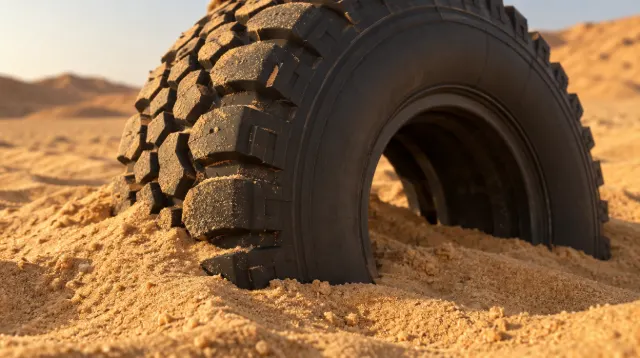
How to choose all-terrain tyres for UAE sand and heat: A/T vs M/T vs highway tyres, sizes, load ratings, sidewalls, tyre age and the right pressures.
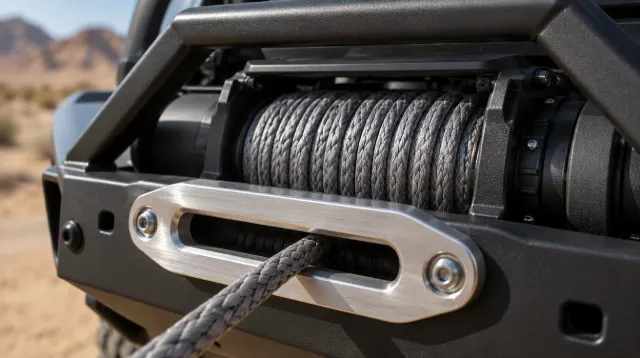
How to choose a 4x4 winch for UAE sand and mountains: pulling capacity, synthetic vs steel rope, mounting, wiring, essential accessories and safe winching.